Ready When Opportunity Knocks: The Beharry-Amber Lesson for Caribbean Business


Written by: Steven Williams (Originally published in Barbados Today)
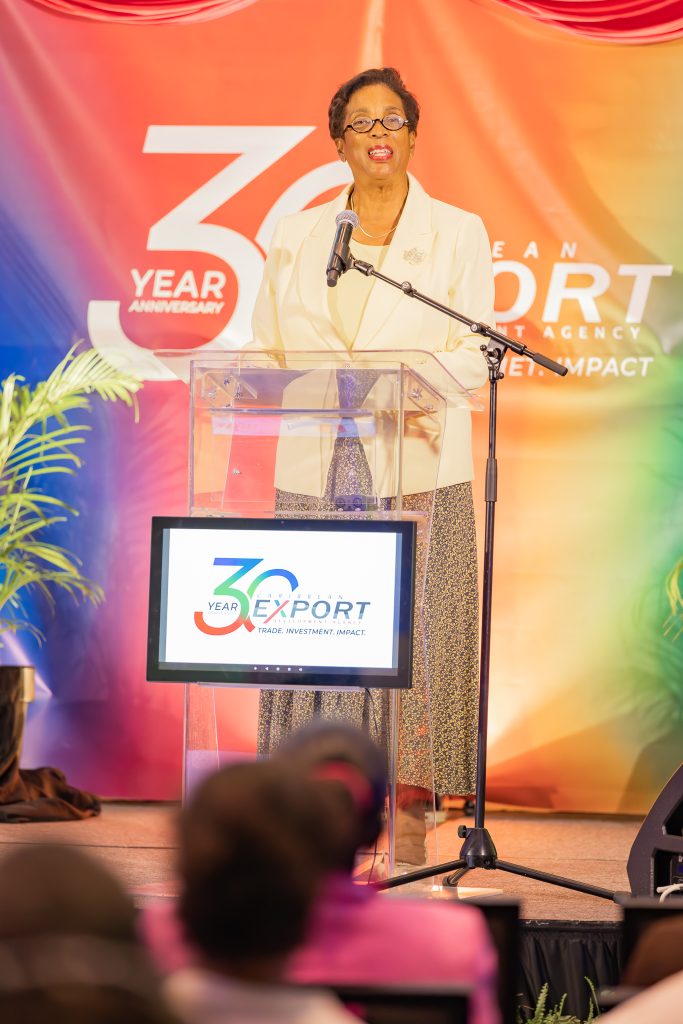
On the evening of Thursday, 16 April, the ballroom at Wyndham Grand Barbados Sam Lord’s Castle filled with the usual faces from across the regional economy: exporters, diplomats, development officials, and beneficiaries. They had gathered to mark thirty years of the Caribbean Export Development Agency and the release of its 2025 Annual Results Report.
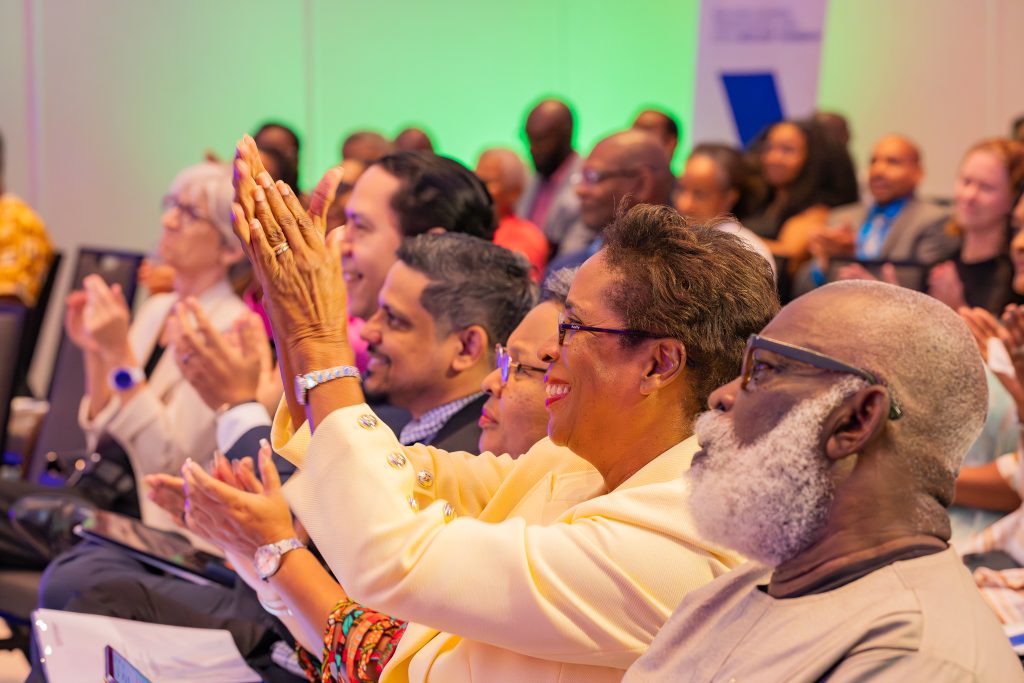

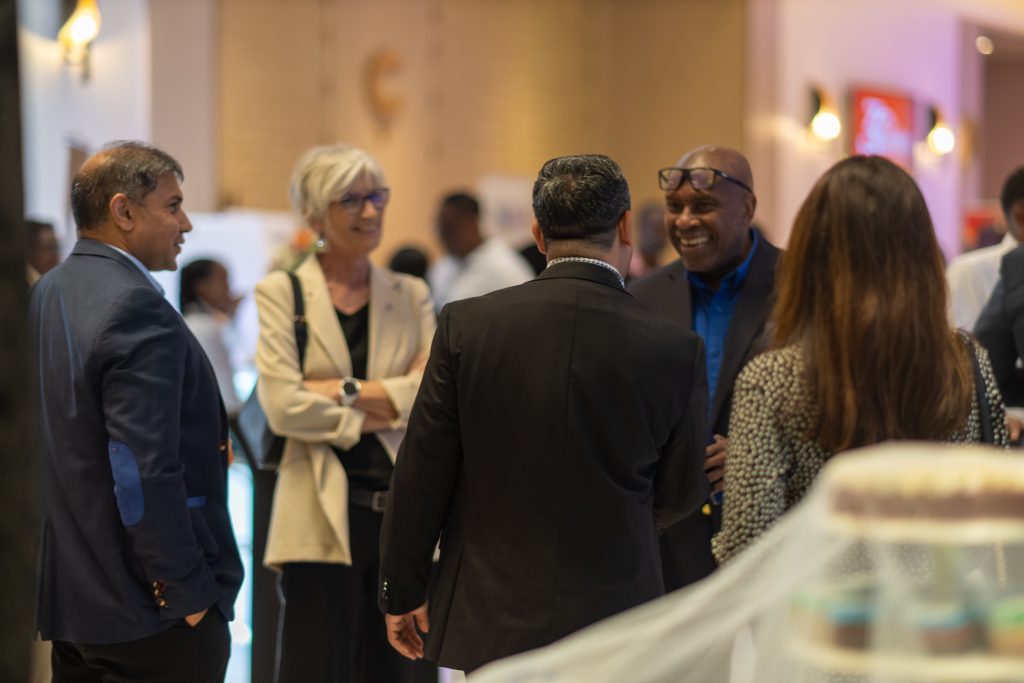

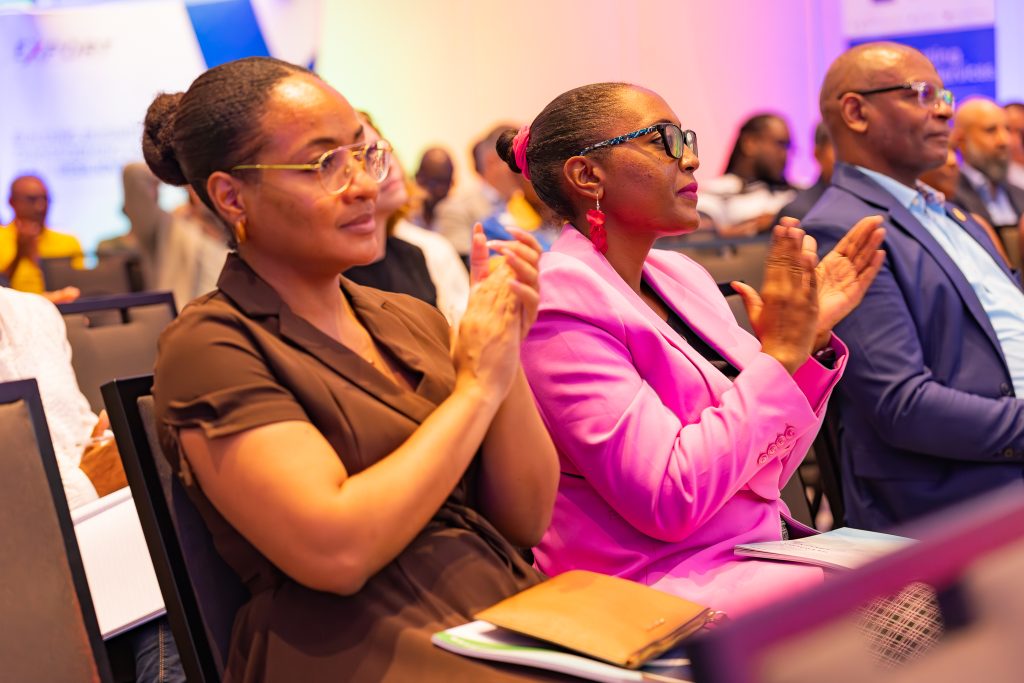
It was, by every measure, a good-news evening. The agency reported another year of strong financial recovery, expanded partnerships, and a clear line of sight from the closing 2021-2024 strategic cycle into the 2025-2028 plan that succeeds it.
The keynote fell to Minister Sandra Husbands, who did what ministers on such occasions do well: she celebrated the agency’s track record in real, unfussy terms, acknowledged the European Union’s thirty-year partnership, and positioned Caribbean Export’s work inside the broader regional trade agenda. But she also did something sharper. She pressed the agency to look harder at the skills gap inside Barbados and the region, to move beyond funding and facilitation, and to take on the diagnostic work of identifying where the private sector is actually under-equipped for the economy it says it wants.
It was the right note to strike, and it is the note this column wants to pick up.
Because the more revealing question, for any business owner who was in that room and for the thousands who were not, is not whether Caribbean Export is doing its job. The report makes a confident case that it is. The real question is whether Caribbean enterprises, particularly Barbadian ones, are digitally transformed enough to catch the opportunities now being placed within reach.
The honest answer, in April 2026, is not yet.
The Beharry-Amber moment
The clearest illustration in the report comes from the Caribbean Investment Forum held in Montego Bay in 2025. There, Dushyant Savadia, founder and CEO of Jamaica’s Amber Group, delivered a session on digital transformation and artificial intelligence. In the audience was Anand Harilall, Chief Strategy Officer of Guyana’s Beharry Group, an 87-year-old family-owned conglomerate with interests across multiple strategic sectors.
Having attended every CIF since its inception, Harilall recognised the alignment immediately. Within a month, Savadia was in Guyana. Within weeks, Beharry-Amber Technologies was agreed, a joint venture to deliver advanced technology and cybersecurity solutions across Guyana, Suriname, and the wider Caribbean. Its mandate is twofold: accelerate Beharry’s internal digital transformation and take those services to market across Guyana’s public and private sectors. A flagship AI-powered call centre is already on the drawing board. That is the speed at which regional deals now move when both parties arrive digitally ready.
What “ready” actually means
Nothing about Beharry’s moment was accidental. You do not deliver a minute-and-a-half pitch on technology ambitions unless the strategy is already written. Beharry’s 2030 horizon treats digital transformation as a core pillar of growth, not a line item in the IT budget. Amber, for its part, arrived with a productised AI stack, live reference deployments, and a partner-first operating model that made cross-border collaboration feel like plumbing rather than diplomacy. Two digitally mature organisations met in a room, recognised each other, and moved.
Which raises the uncomfortable diagnostic question Minister Husbands was circling on Thursday evening: what does “digitally mature” actually look like in a Caribbean business in 2026? It looks, in my reading, like six layers sitting on top of one another.
The Identity layer is the foundation a proper domain, a website that is more than a Facebook page, branded email (not a Gmail address on a business card), verified Google Business and LinkedIn profiles, and consistent presence on the channels customers actually use. Without this, a business is invisible to search engines, procurement systems, funding agencies, and regional partners who screen before they shake hands.
The Operations layer is a cloud-first stack. Accounting in QuickBooks or Xero, documents in Microsoft 365 or Google Workspace, HR on SaaS, communications in Teams or Slack held together by an integration fabric of APIs, webhooks and workflows so data moves between systems instead of being re-keyed by a clerk.
The Customer layer is where Caribbean enterprises most often fall short. The digitally transformed business lets its customers find it, transact with it, and support themselves without picking up a phone. Digital payments, online booking or ordering, CRM-tracked relationships, WhatsApp and email and chat on parity. In our region, payment rails and shipping logistics remain real constraints but they are constraints to be designed around, not reasons to opt out.
The Data layer is where Caribbean Export’s own framing AI readiness, innovation, competitiveness starts to bite. The transformed business treats data as an asset, not exhaust: structured transaction and customer data, dashboards that inform decisions, and increasingly AI layered on top, whether for productivity, prediction or retrieval of institutional knowledge. If an enterprise cannot answer “how did we do last month?” in under five minutes, it is not yet operating digitally.
The Trust layer is the one most Caribbean commentary under-covers, and it is the one Harilall himself flagged in the report the region is highly exposed to cyber threats, and private-sector resilience now depends on serious cyber posture: MFA, endpoint protection, tested backups, incident response, alongside a lawful data-protection footing under the Data Protection Act 2019-29 and contractual hygiene with every processor. Without this layer, everything above it is liability waiting to crystallise.
The People layer closes the loop, and it is the layer, Minister Husbands reached for on Thursday evening. Digital skills, remote-capable workflows, and a leadership culture that treats technology as a first-class strategic concern rather than something the “IT guy” handles. The modern digital business does not have a digital transformation project. It has digital fluency as a condition of employment.
Caribbean Export has spent thirty years and this past year with particular intent building the runway. The 2025 report is a catalogue of that work: investment fora that convene capital and ambition in the same room, digital accelerators that link regional firms to European and Latin American partners, co-financing facilities for smart and green investments, capacity-building programmes for MSMEs and women-led enterprises, and a new institutional spine in the Caribbean Digital Transformation Institute. That runway is long, paved, and lit.
But a runway does not fly aircraft. The Beharry-Amber joint venture flew because both organisations had already built the plane. Minister Husbands’ intervention the call for a sharper skills-gap diagnostic was really a call for more Caribbean enterprises to finish building their aircraft while the runway is clear.
In 2026, the competitive Caribbean business is no longer the one with the biggest office, the longest payroll, or the oldest Rolodex. It is the one that can show up in the room physically, digitally, or inside a procurement portal already carrying the six layers. Regional growth capital, cross-border joint ventures, and diaspora markets will keep finding the enterprises that have done that work. The rest will fight over a shrinking domestic pie and wonder where the opportunities went.
Caribbean Export has done its thirty years. The next move belongs to the enterprise.